
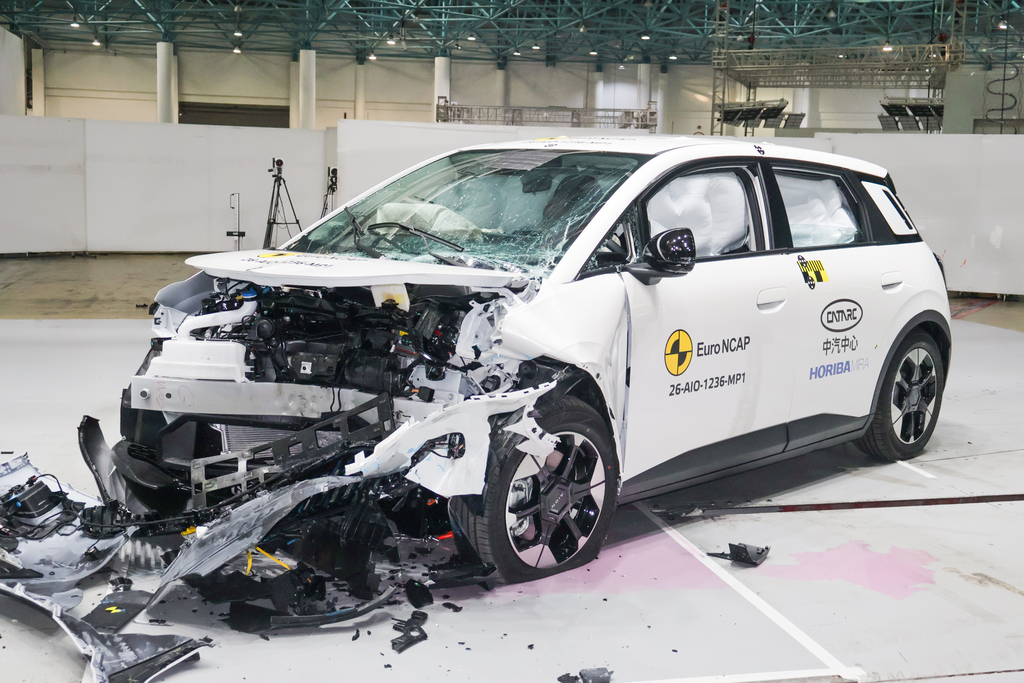
12 Oct 2026
As electric vehicle sales grow, safer choices expand
- A duo of electric models from Chinese manufacturers GAC and XPENG inject additional five-star safety choices to the growing EV market.
- Both the GAC AION UT and XPENG X9 achieved five-star safety ratings.
- New virtual tests provide greater insight into crash protection for different sized occupants and broader impact severities.
Both the GAC AION UT hatch and XPENG X9 people mover are equipped with a wide range of safety features encouraged through ANCAP’s latest 2026-2028 safety rating criteria. These include systems that detect incorrect seatbelt use and occupants sitting in potentially unsafe positions, helping reduce the risk of injury in a crash. They are also equipped with child presence detection systems that can alert the driver if a child has been left in the vehicle.
The AION UT and X9 achieved high scores for the safety performance of their high-voltage batteries following a crash. This area of assessment includes a ‘pierce test’ which examines whether physical damage to a battery cell can trigger a chain reaction leading to a fire. This test is undertaken on all battery-electric vehicles tested against the latest 2026-2028 ANCAP safety rating criteria.
XPENG and GAC have equipped their respective models with the hardware necessary to enable emergency calling (eCall) functionality to become operational by October 2027.
In crash testing, both models recorded high scores for their ability to protect occupants in frontal, side impact and run-off-road crashes. A notable result for both was the crash protection provided to small, medium-sized and larger occupants. In this new element of assessment, extensive virtual simulations and sled test data are used to assess injury risk for a broader cross-section of occupant sizes, speeds and crash severities.
One area where both the AION UT and X9 could improve is their in-cabin driving controls. ANCAP has been discouraging the integration of key driving controls into digital touchscreens, advocating instead for physical buttons and controls to help minimise driver distraction. Key functions such as the operation of headlights, windscreen wipers, demisters, side mirrors and hazard lights, together with audio, telephone or climate controls, rely too heavily on touchscreen interaction rather than readily-accessible physical controls.
“Our 2026 safety rating requirements are comprehensive and ambitious, encouraging manufacturers to deliver a broader range of safety features and higher levels of protection,” said ANCAP Chief Executive, Carla Hoorweg.
“We want to see carmakers bring back buttons for the functions drivers use every day. Adjusting your windscreen wipers, switching on your headlights or clearing a fogged-up windscreen should be simple, intuitive and achievable without taking your attention off the road.”
Full details can be viewed at:
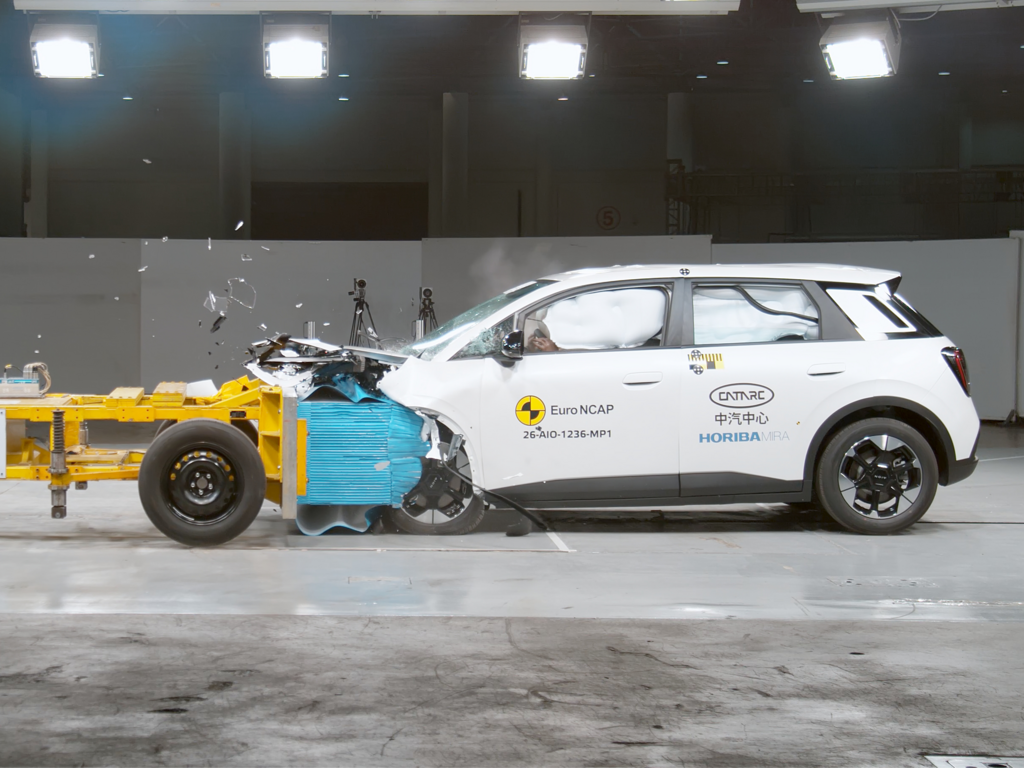
GAC AION UT (Apr 2026 – onwards) -frontal offset (MPDB) test at 50km/h
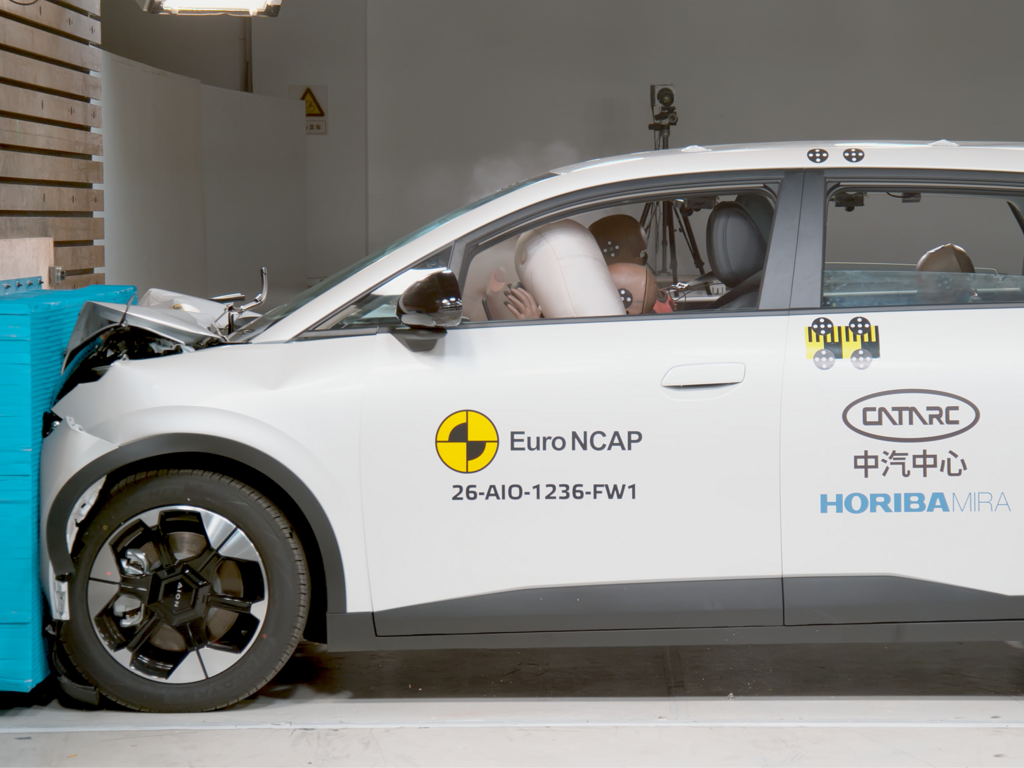
GAC AION UT (Apr 2026 – onwards) - full width frontal test at 35km/h
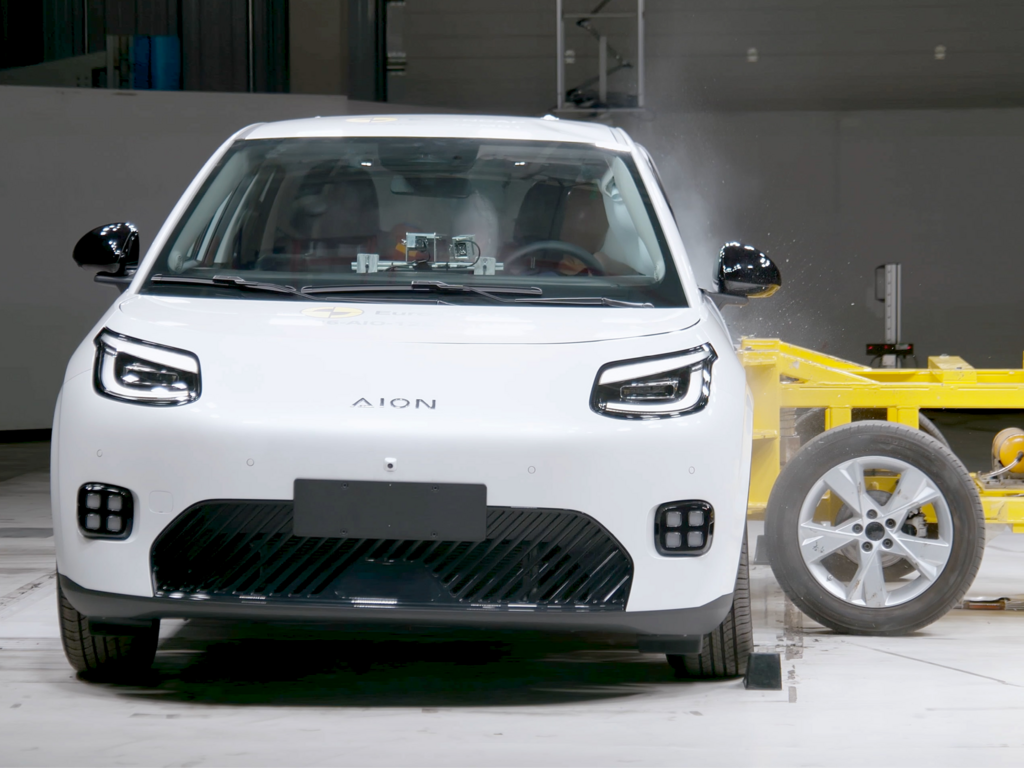
GAC AION UT (Apr 2026 – onwards) - side impact test at 60km/h
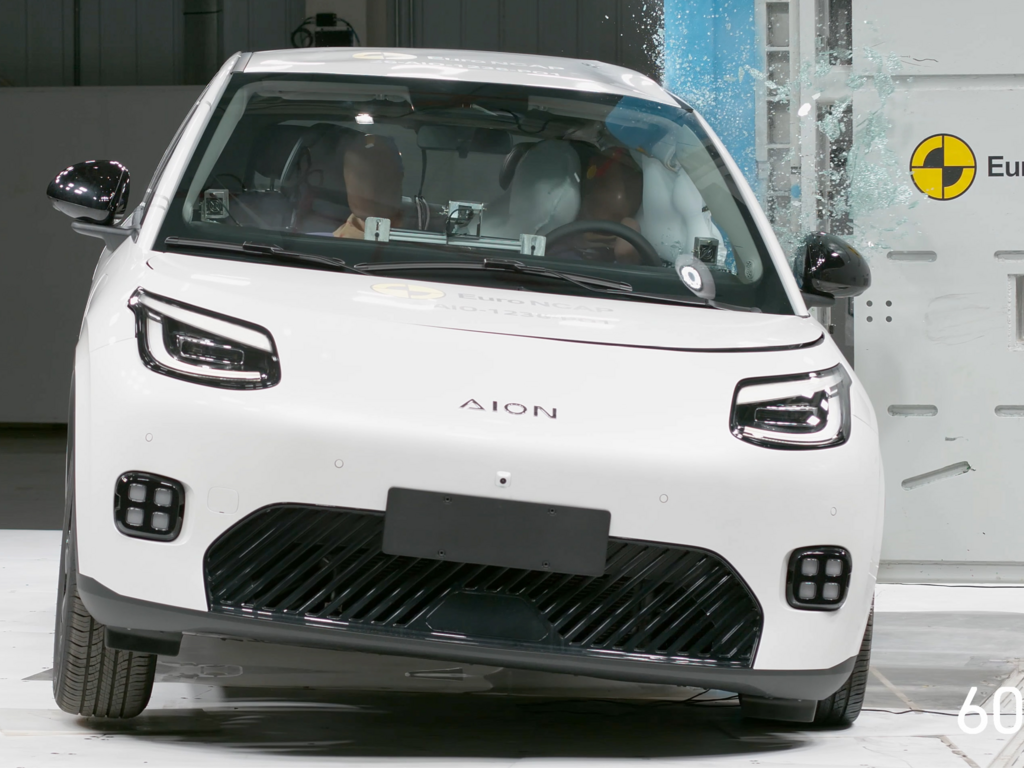
GAC AION UT (Apr 2026 – onwards) - oblique pole test at 32km/h
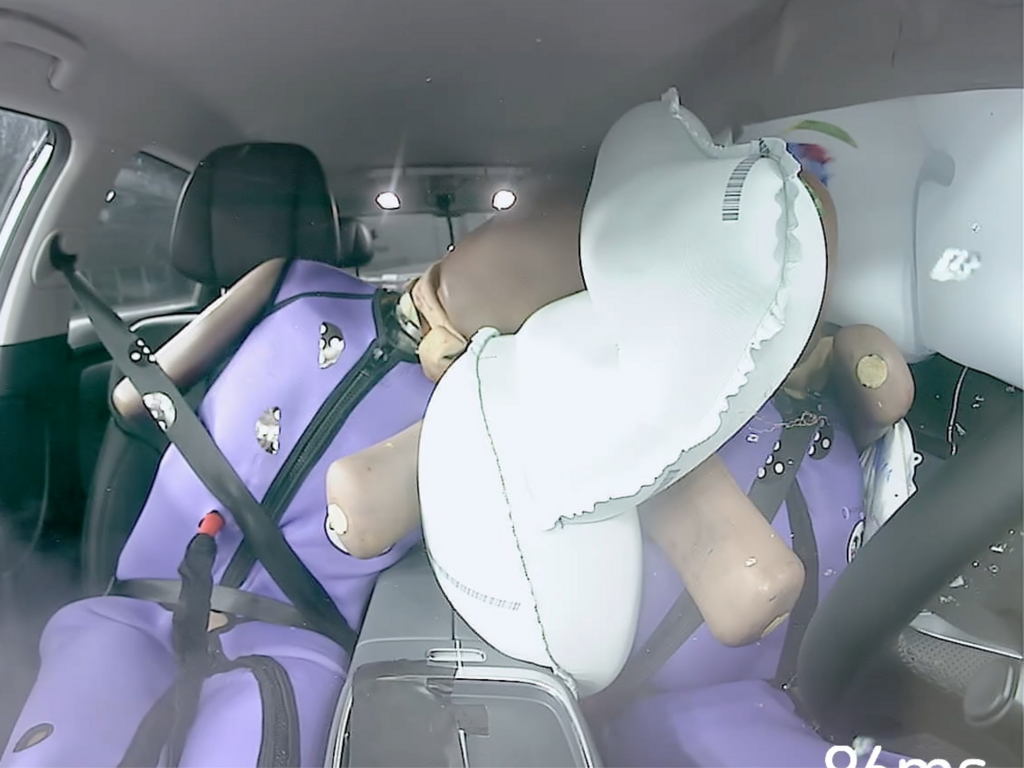
GAC AION UT (Apr 2026 – onwards) - far side impact
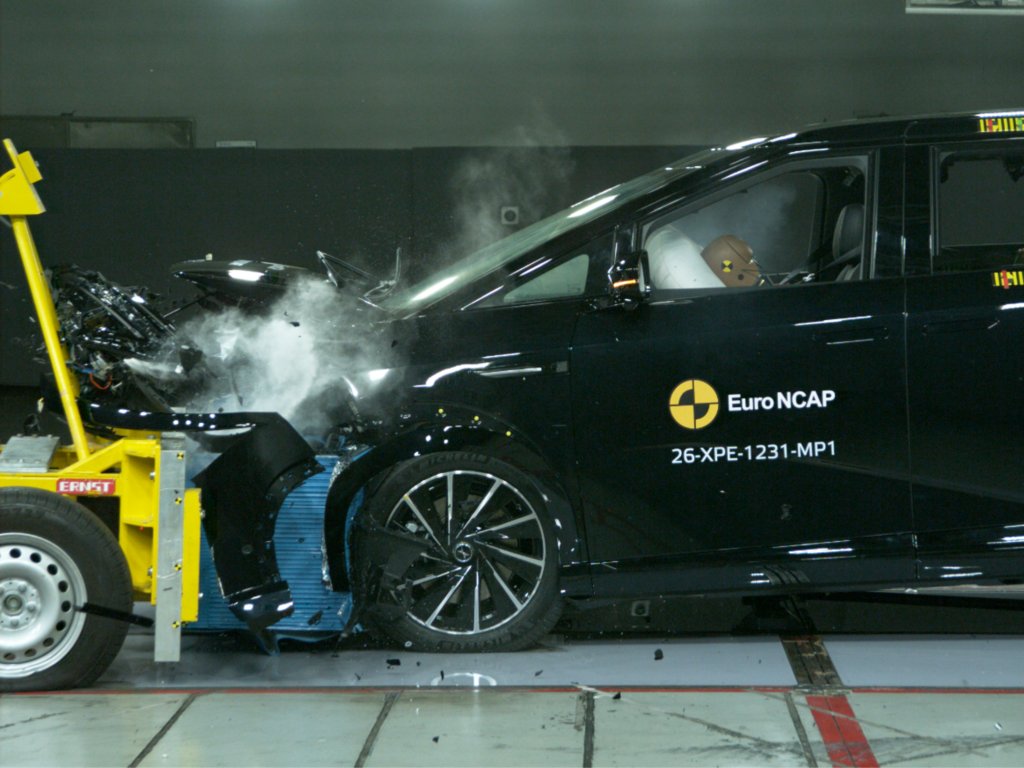
XPENG X9 (Aug 2026 – onwards) - frontal offset (MPDB) test at 50km/h
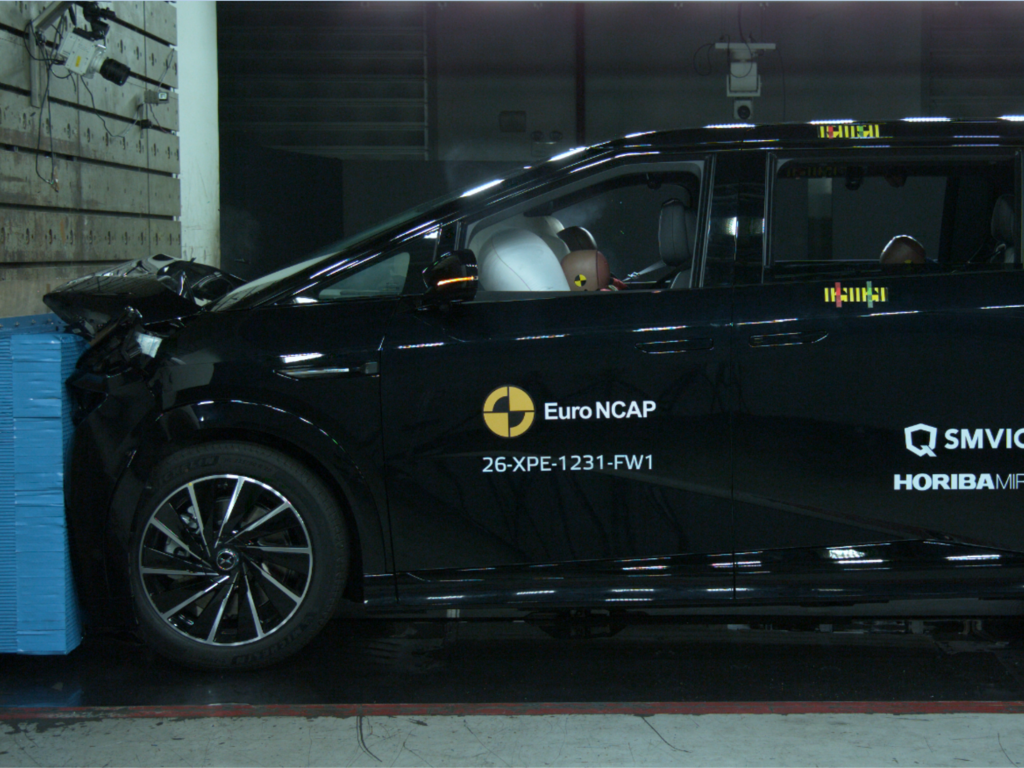
XPENG X9 (Aug 2026 – onwards) - full width frontal test at 35km/h
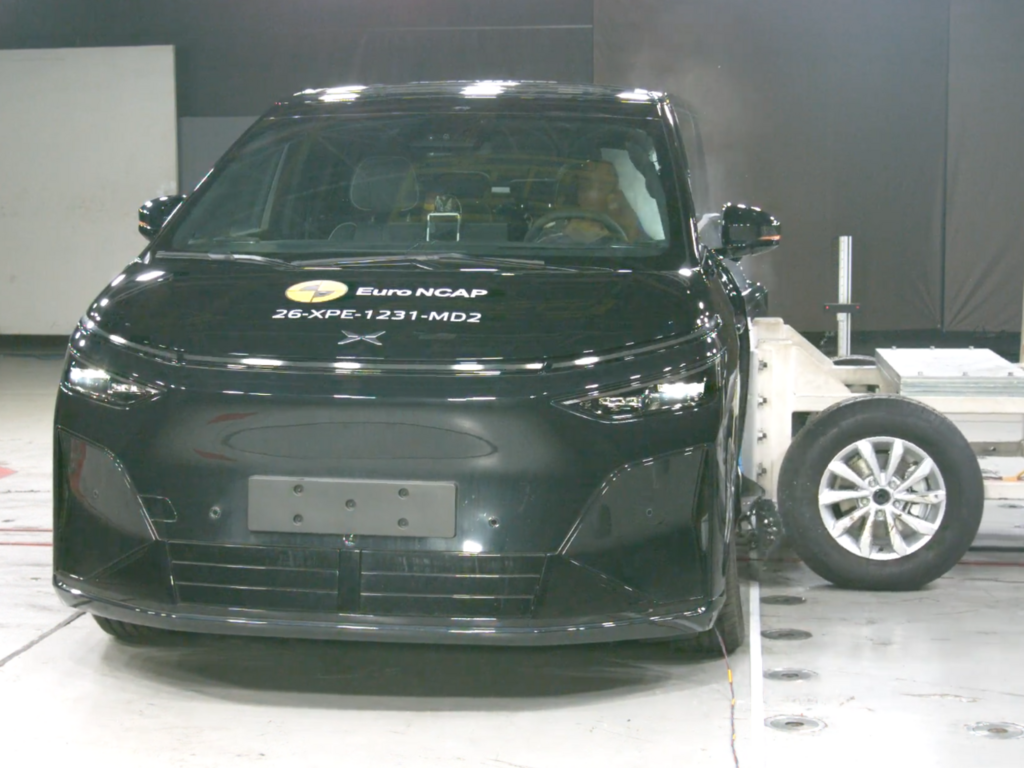
XPENG X9 (Aug 2026 – onwards) - side impact test at 60km/h
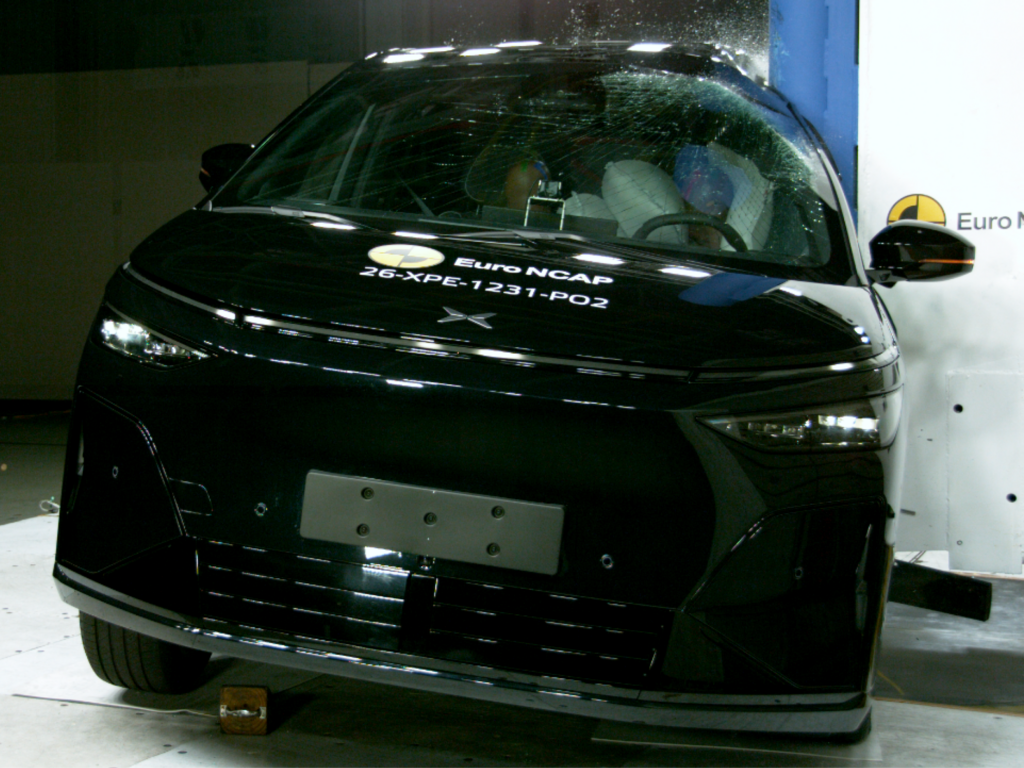
XPENG X9 (Aug 2026 – onwards) - oblique pole test at 32km/h
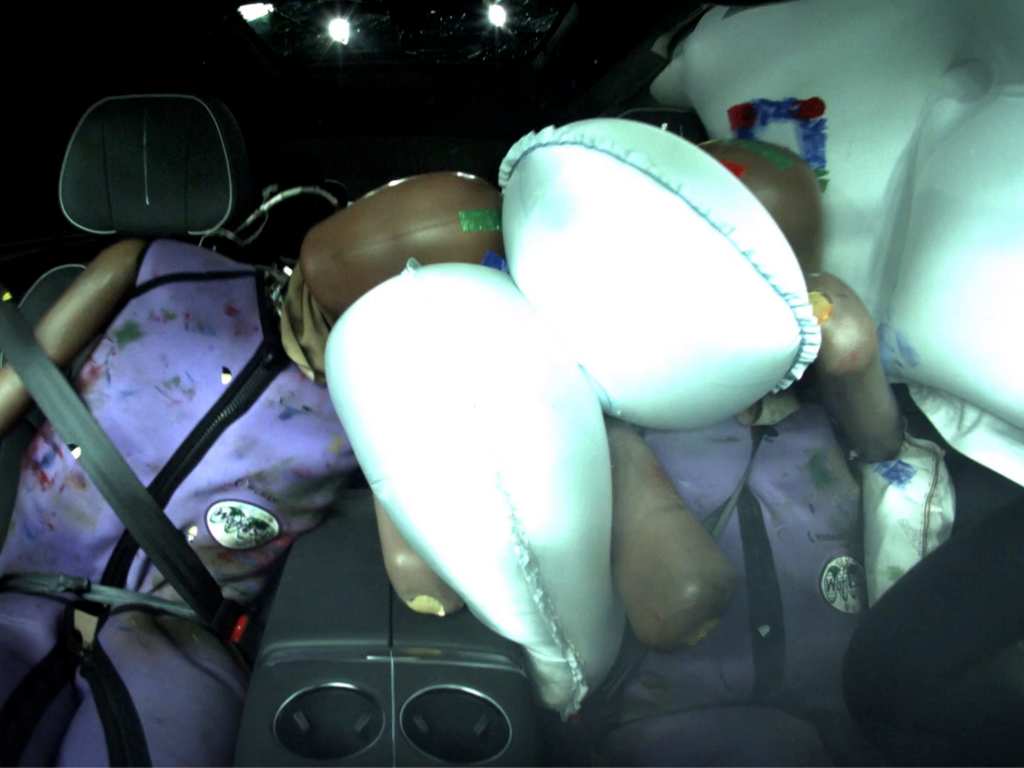
XPENG X9 (Aug 2026 – onwards) - far side impact
Director - Communications & Advocacy
0408 296 550
Large Utes.
Does size matter?
Light Trucks.
How do they compare?
Thinking electric?
Our future can be safe AND green.
Commercial vans.
Are you delivering on safety?
Stay in the know.
Sign-up for the latest ratings and news.
Ask an expert.
Your vehicle safety questions, answered!