
What makes a vehicle safer?
Understanding safety features
Traditionally, vehicle safety has focussed on how a vehicle protects its occupants in a crash. Today vehicles offer far more than crash protection. The safest vehicle today will first help you to prevent or reduce the severity of a crash, and if a crash does still occur, it will provide you and those around you with a higher degree of protection.
Vehicle manufacturers are designing and building today's vehicles with a good balance of passive crash protection and active crash avoidance as a result of ANCAP's encouragement. Structural protection and the ability to actively avoid a crash are essential to achieve a five-star ANCAP safety rating. Striking the right balance will become even more important as vehicles evolve and technology progresses to allow assisted driving, and eventually automated driving.
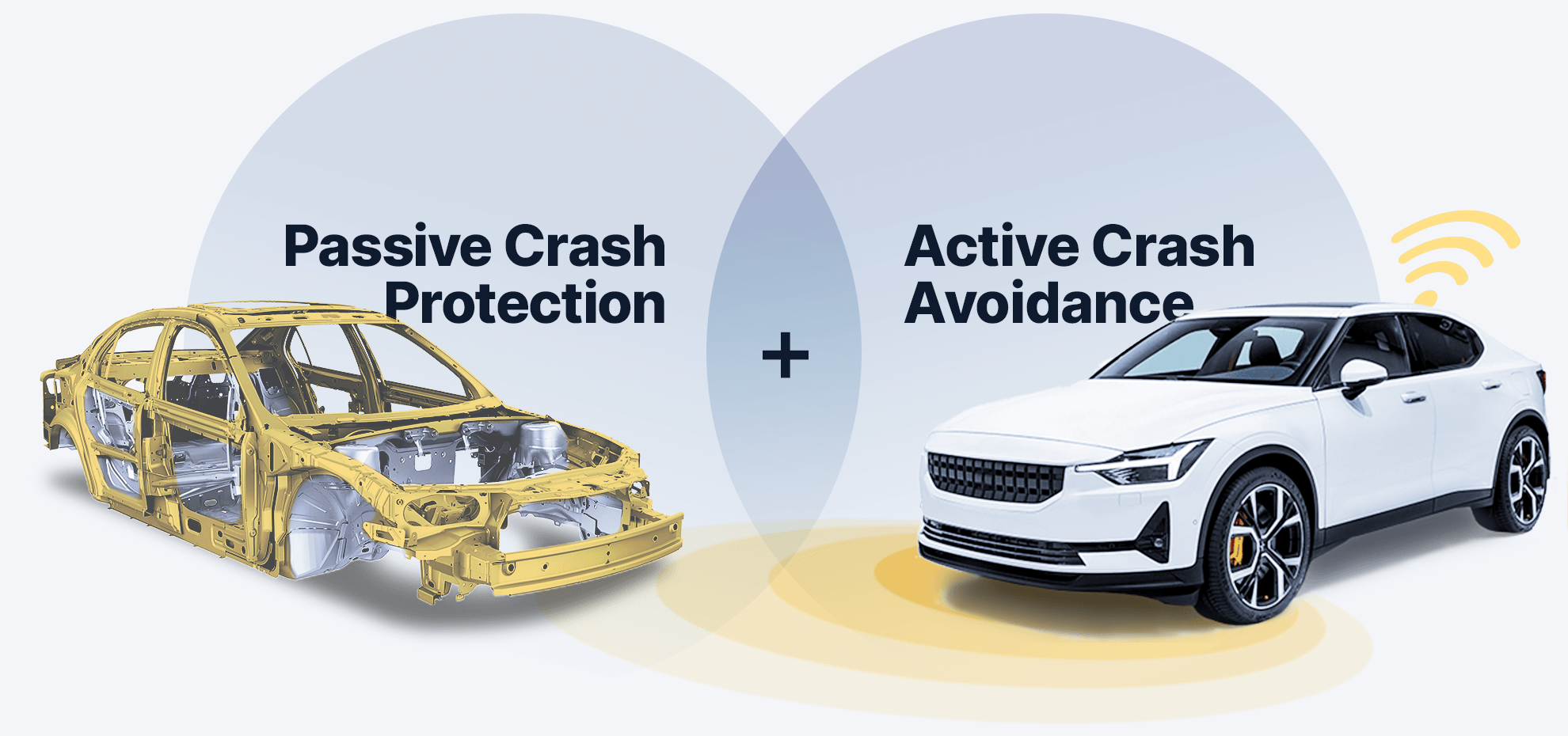
The combination of a sound structure, good restraint systems and active collision avoidance technologies provides the best chance of survival in a crash. You may even avoid one altogether.
All stages of a crash - before, during and after - are considered as part of ANCAP's independent star rating assessments.
Put to the test.
ANCAP puts each of these aspects of safety to the test as part of its routine safety rating process to make sure you and your loved ones are protected.
See what's been added to the safety rating process from 2026.
The safety mix.
Take a look at how a safety rating comes together:
Large Utes.
Does size matter?
Light Trucks.
How do they compare?
Thinking electric?
Our future can be safe AND green.
Commercial vans.
Are you delivering on safety?
Stay in the know.
Sign-up for the latest ratings and news.
Ask an expert.
Your vehicle safety questions, answered!